
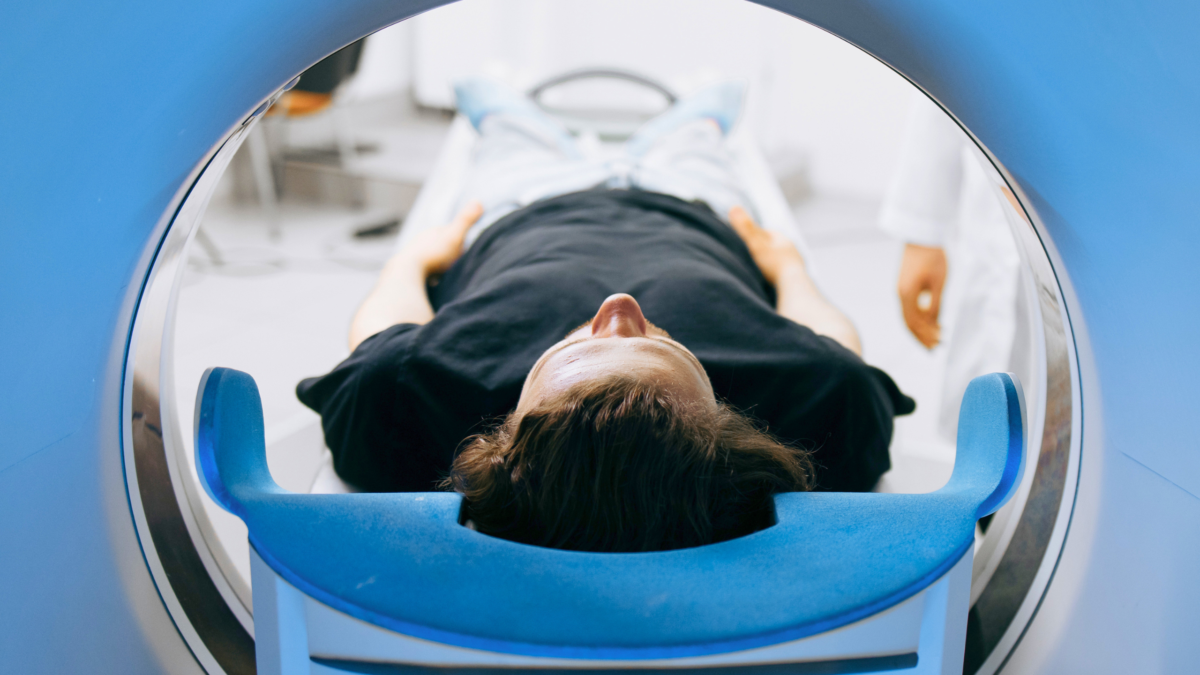
Stanford Scientists Discover Resting Brain Activity May Predict Alzheimer's
Stanford researchers report that patterns of activity in the resting brain may help predict Alzheimer’s before memory problems appear. If confirmed, the finding could offer a way to identify risk years earlier, though the snippet provides no study details.
Quick read
ScienceAlert reports on Stanford research linking resting-state brain connectivity patterns with later memory decline and Alzheimer's risk. The findings may help researchers identify people for prevention studies before symptoms begin, though larger studies are needed to validate the approach.
- Researchers developed a connectivity measure called the Alzheimer's Resilience-Vulnerability Connectome (ARC).
- More Alzheimer's-like scans were linked to faster decline and higher risk of cognitive impairment.
- ARC improved risk predictions beyond age, protein scans, and APOE-related genetic risk.
Reactions
No reactions yet. Record a short about this link and it shows up here, in Reels and in the community feed.
Is sciencealert.com your site? Sign in to verify it and get a Verified badge, full stats and a link-back badge.
What we found on this site
- Built with
- WordPress
- Served through
- Cloudflare
- Home page answered in
- 46 ms
- Trackers
- Google Analytics, Google Tag Manager and Microsoft Clarity
- Ads
- Yes
- RSS feed
- Yes
- AI crawlers
- Lets them in
- Set up for phones
- Yes
- Real-visitor speed
- Passes Core Web Vitals
- Popularity
- Top 100,000 domain (Cloudflare)
- Google safety check
- No threats found
- Domain registered
- 2004
- Domain renews
- August 2029
Checked November 14, 2026 from the site’s own code and public records. See how the rest of the web compares in the NexURLs Internet Report.
Sites like Stanford Scientists Discover Resting Brain Activity May Predict Alzheimer's
- Resting heart rate and heart rate variability follow a seasonal pattern, butnature.com
A research article analyzing one year of wearable data from 16,415 U.S. adults to describe seasonal patterns in...
- A new study suggests that the severe brain tissue loss caused by chronic alcohol consumptipsypost.org
This article explains a brain imaging study on how childhood maltreatment and alcohol use disorder relate to brain...
- Probiotics and cognitive function studysciencealert.com
ScienceAlert reports on a 24-week clinical trial testing a multistrain probiotic in older adults with early cognitive...
- Why story and play time matter for toddlersnews.northwestern.edu
A Northwestern University news story reporting a study that used child-friendly EEG to measure toddlers’ brain...
- Brain scans of 8,783 healthy Canadians aged 35-69 found people eating the most ultra-proceearth.com
This article reports a study linking higher consumption of ultra-processed foods to small, unnoticed brain lesions in...
- Body data and an app could provide a 24-hour warning for headachesnorwegianscitechnews.com
A Norwegian study found that combining health-app logs, physiological measurements, and machine learning can predict...
More News finds
- An organ transplant controversy tests 'the dead donor rule'npr.org
- An organ transplant controversy tests 'the dead donor rule'npr.org
- Online Vendors Selling Inauthentic Indigenous Orange Shirtscbc.ca
- Jayaram Jayalalitha’s Lifebbc.in
- Apres Russell Brand, le deluge?lawgazette.co.uk
- Michel Houellebecq Charged Over Remarks About Muslimsen.yabiladi.com
Feeling lucky? Try the random website generator.
Where people went next
Nobody has added a next stop yet. Be the first.